BIRTH ANNOUNCEMENTS:
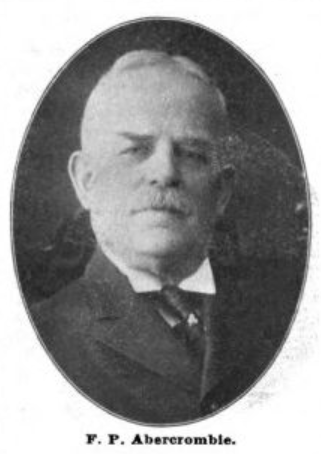
1850 Frank Abercrombie
The first player from Oklahoma to appear in a major league game…
1853 Packy Dillon
1854 Sam Crane
1856 Jack Farrell
1857 Pat Murphy
1858 Jack Neagle
1863 Ed Keas
1871 Phil Saylor
1882 George Jackson
1885 Al Froehlich
1885 Jose Mendez
1885 William Askew (Chick) Autry
1886 Steve Melter
1888 Harry LaRoss
1891 Joe Lotz
1892 Merlin Kopp
1892 Jack Kibble
1893 George Boehler
1893 Jesse Altenburg
1894 Bill Wagner
1902 Nick Dumovich
1902 Ray Jacobs
1902 Clarence Jaggers
1905 Arthur Carter (Pinky) Whitney
1905 Alonzo Mitchell
1905 Ralph (Red) Kress
1907 Ted Gullic
1909 Bobby Reis

Utility player of the 1930s – played the infield, outfield, and later was converted to a pitcher to take advantage of his throwing arm. Brooklyn gave him his first chance; the Braves acquired him and it didn’t work out in Boston.
A stint with St. Paul in the American Association brought him to Minnesota, which became his home for the rest of his life. He had a brother who got a tryout in the majors, but he wasn’t MLB material.
1917 Ted Strong
1919 Bill Harman
1920 Cliff Dapper
1926 Stan Hollmig
1928 Sammy Gee
1929 Ed Wolfe
1933 Bill Oster
1946 John Edward (Sonny) Ruberto
1951 Jim Essian
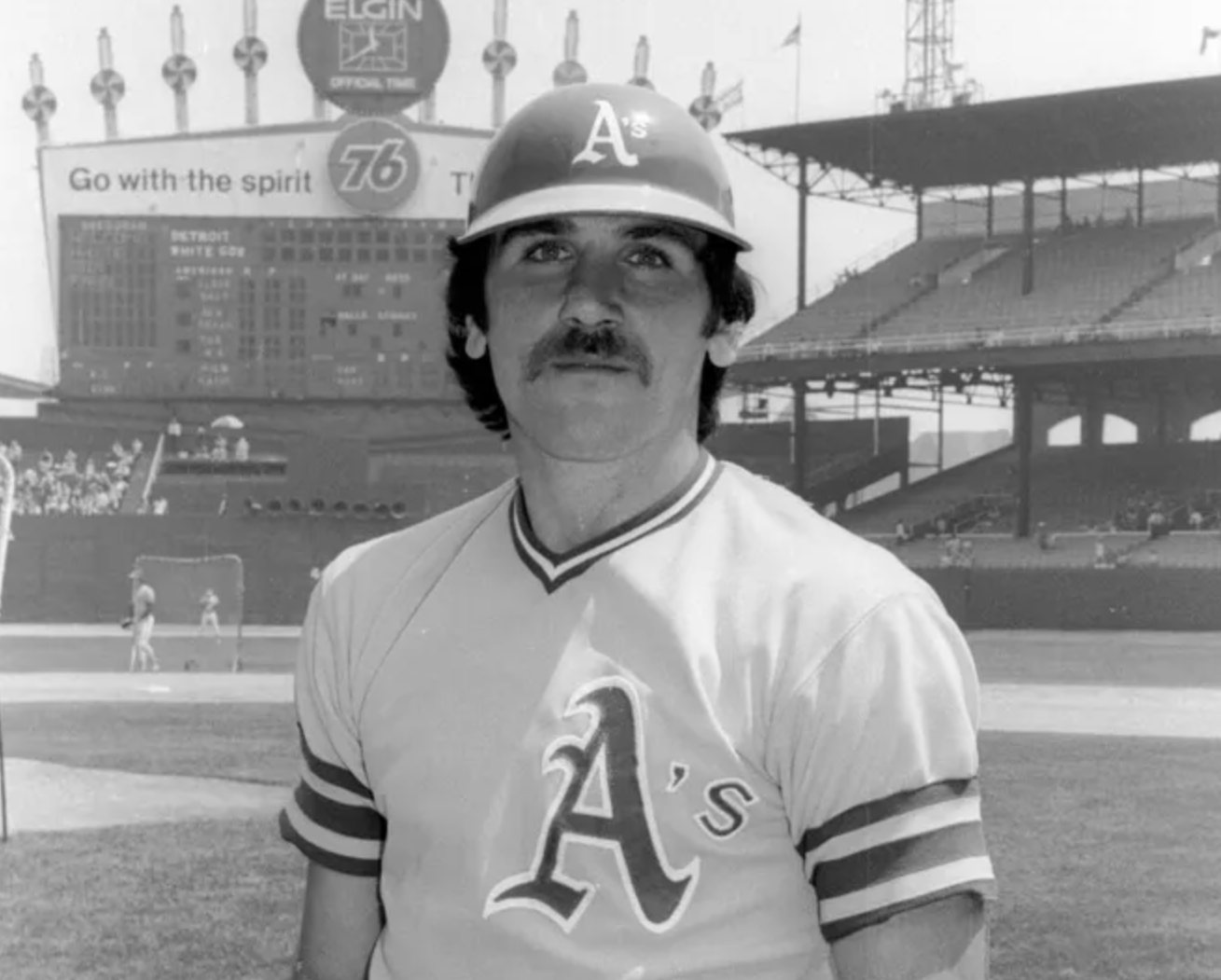
Catcher for the White Sox during the days of the South Side Hit Men – and probably spent the most time on a roster without actually playing in a game since the days of the Bonus Baby Rule in the 1950s. Essian later became a manager with the Chicago Cubs – but he clashed with some of the players and the front office.
1951 Royle Stillman
1952 Greg Heydeman
1963 Edgar Martinez
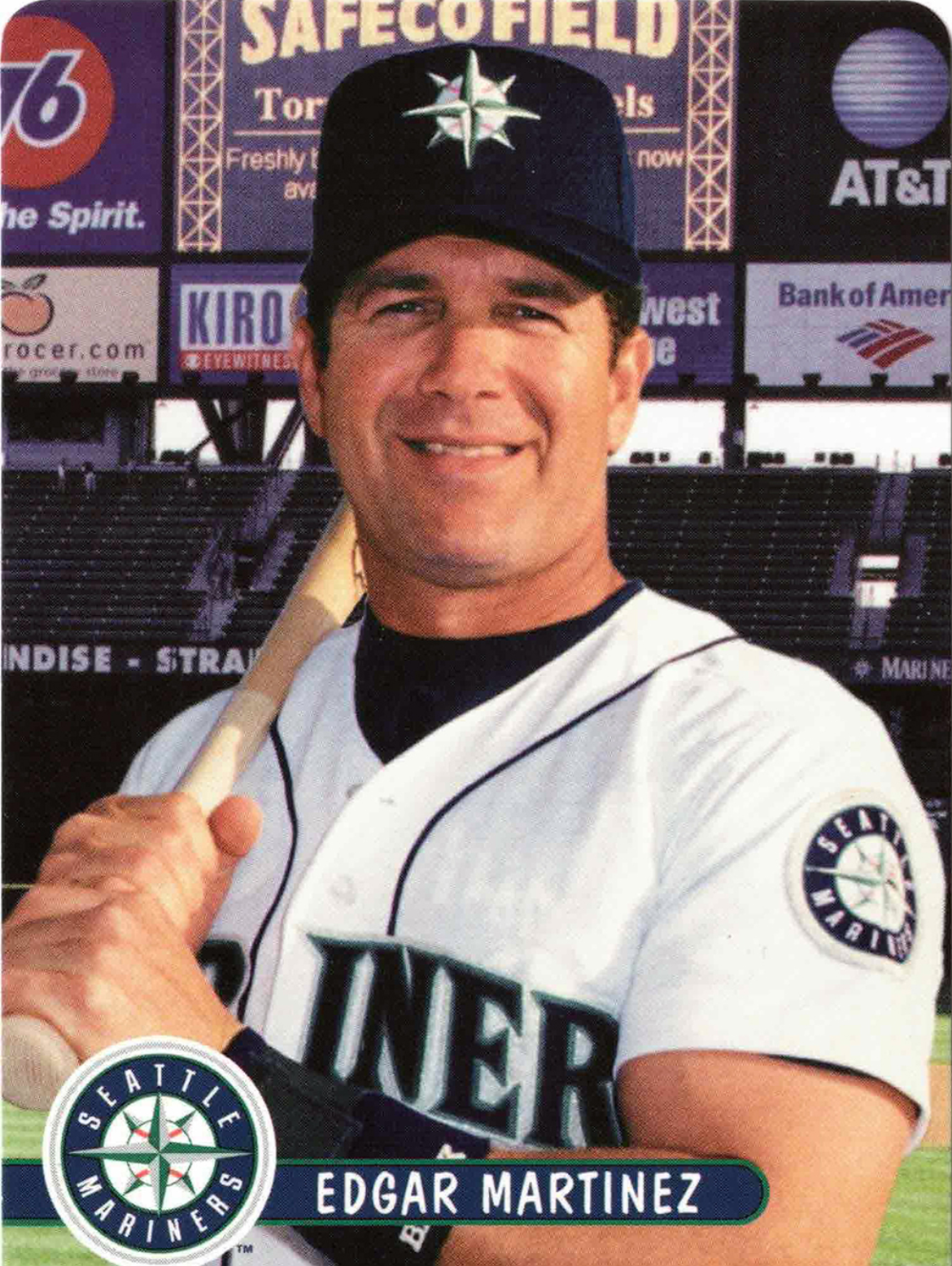
The discussion regarding the greatest DH in baseball history comes down to either Edgar Martinez or David Ortiz. I guess your pick may depend upon which coast you call home.
Started as a third baseman and was kept in AAA because Jim Presley had the job. Martinez was a good hitter when he came up; then added a bunch of muscle to his frame and became a crusher.
1963 David Cone

For the longest time, Cone was a hired gun. As such his career was pretty nomadic for a genuine ace. 163-87 between 1988 and 1998 – but he’s not in the Hall of Fame because (a) outside of those 11 years, you don’t have too much more to add to the resume, and (b) it’s hard to pin down on which team you associate Cone’s legend. I’m happy to hear him on ESPN’s baseball broadcasts, but I miss watching him pitch.
1964 Colby Ward
1965 Greg Swindell
1970 Royce Clayton
1971 Rick Greene
1972 Garrett Stephenson
1973 Mike Metcalfe
1975 Jeff Suppan
1977 Scott Proctor
1977 Hansel Izquierdo
1981 Ryan Garko
1983 J. D. Martin
1987 Dave Sappelt
1988 Aaron Barrett
1988 Eric Fornataro
1993 Reed Garrett
1993 Yoan Lopez
1993 Jose Marmolejos
1994 Felix Jorge
1998 Kyle Stowers
1999 Fernando Tatis, Jr.
2000 Spencer Arrighetti
OBITUARIES:
1909 Paddy Quinn
Chicago native whose major league career spans the National Association and National Leagues, mostly in the midwest… Patrick James Quinn, son of Irish immigrants, was a catcher and outfielder with Fort Wayne in 1871, left the professionals to play with local amateurs, then returned to play for Chicago, Keokuk, and Hartford between 1875 and 1877. In the few box scores I have seen, he was a batter catcher than outfielder…
Quinn’s dad, James Patrick Quinn, became a constable in the Chicago police force in 1853; nine months later he was dead, having been beaten on the job during an incident involving William Rees. (A remarkable story about the death of Constable James Quinn can be found here.) Patrick and two sisters were raised by his mother, the former Marguerite O’Shea. Quinn left baseball to become a successful coal dealer, but apparently made some money racing horses, too. And, he was an active Democrat in the city. He had a wife, Annie Dolan, but I don’t see that they had any children.
Researchers are unsure about the date of Quinn’s birth, usually noting an August, 1849 date based on a 1900 Census record. However, if an 1850 US Census record is right, he was just three months old when an enumerator visited his home in early October, 1850.
“It was said of Quinn that he was the first player to lead a team from Chicago on a tour of western cities. After dropping out of the game he took an interest in racing and made a small fortune out of it.”
Quinn was buried in Calvary Catholic Cemetery in Evanston, IL. His FindaGrave.com profile suggests he died of a stroke, but the source of that note is not available.
“Old Ball Player Taken by Death,” Chicago Tribune, January 4, 1909: 14.
“Old Time Ball Star Expires in Chicago,” Joliet Evening Herald, January 4, 1909: 3.
Wisconsin Tribune, February 9, 1854: 2.
FindaGrave.com
1928 Henry Fred (Hunkey) Hines
A heart attack felled the one time White Stockings outfielder.
“Hunkey Hines, Old Baseball Star, Dies,” Minneapolis Morning Tribune, January 4, 1928: 20.
1929 Denny Lyons

Lyons died in his home in Covington, Kentucky after a short illness. In his day, Lyons was a stellar hitter, averaging well over .300 over a ten year period and adding a good amount of power and a willingness to take a walk. The bulk of his career was with Philadelphia of the American Association and Pittburgh of the National League.
Lyons could still get on base when he career ended. He just couldn’t run. He reached base four times in his last game (two walks, two HBPs) and 14 times in his last five games. However, he had already moved from third to first base when his mobility failed. On July 23, 1897, Pittsburgh trailed Baltimore 8 – 7 and the bases were loaded with two outs. Lyons smashed a grounder towards Oriole shortstop Hughie Jennings who couldn’t field it cleanly. Unfortunately, Lyons couldn’t run and he was thrown out (most any other runner reaches first) costing his team the game. He was benched after that game and a week later released.
“Denny Lyons, An Old Pirate,” Pittsburgh Press, January 4, 1929: 20.
“Hard to Lose,” Pittsburgh Press, July 24, 1897: 5.
“About Hughie Jennings,” Pittsburgh Press, August 3, 1897: 3.
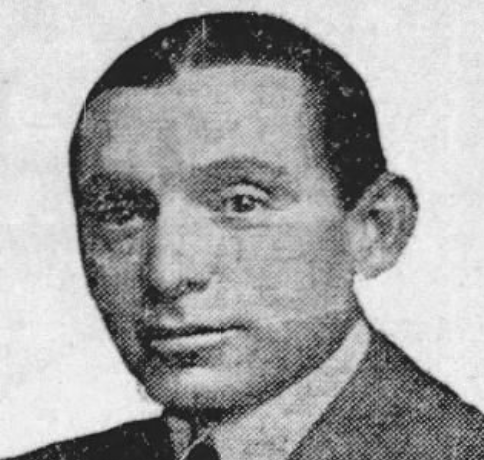
1933 William J. (Kid) Gleason
1947 Josef Koukalik
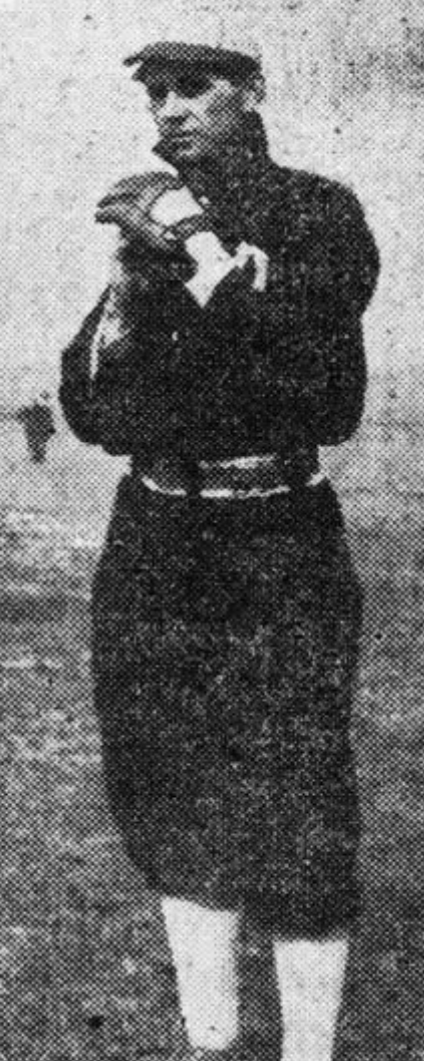
Bill Lamb wrote his biography for SABR and it’s excellent. (Though I disagree with his assertion that Koukalik was born earlier than 1880 because I think he was wrong in selecting which child was listed where on the passenger list of the boat on which his family arrived when they came to America. I digress.)
Brooklyn needed a pitcher; Ned Hanlon gave a start to Koukalik, who was a star in the local Chicago semi-pro leagues. To be fair, the kid pitched well enough – losing 3 – 0 and allowing but a single unearned run. It did not get him another shot, however, and Koukalik returned to the amateur lot. (In fact, Hanlon paid the kid $10 to play the game – he got at least $25 a game pitching in semi-pro games…)
After his baseball days, Koukalik managed bowling alleys and was a heck of a bowler himself.
“Brooklyns Drop Back Into Same Old Rut,” Brooklyn Times, September 2, 1904: 6.
Image from Duluth Daily News Tribune, May 4, 1904: 35.
Obit, Chicago Tribune, January 4, 1947: 10.
1948 Gordon Zeigler
1953 John (Harry) Atkinson
1956 Russ Dedeaux
1959 Bert James
1960 Ken Gables
1965 Jim Stephens
1968 Tommy Warren
1972 Glenn Crawford
1974 Gordon Slade
1975 Jim Poole
1976 Jack Kraus
1977 Max Wilson
1978 Oscar Estrada
1980 Kenny Hogan
1980 George Lees
1986 Bob Finley
1986 Bill Veeck
1987 Julio Moreno
1987 Bill Upton
1990 Bill Beckmann
1994 Eddie Smith
1995 Don Elston
2003 Arthur Beauregard (Bud) Metheny
2004 Paul Hopkins
2008 Gerry Staley
2012 Howie Koplitz
2017 Daryl Spencer
Spencer was 88 when he died in his hometown of Wichita, KS. Spencer is the answer to a great trivia question – what player hit the first homer for the San Francisco Giants…
2019 Jerry Buchek
Got a big check to sign with the Cardinals out of high school… Hummel’s article provides a great summary of his career and post baseball life (he was a butcher), his cause of death is not listed.
Rick Hummel, “‘South St. Louis kid’ spent five seasons in the majors,” St. Louis Post-Dispatch, January 8, 2019: B2.
2022 Larry Biittner
Loved him when he was with the Cubs, a dependable hitter on the bench who probably deserved more playing time. However, because he couldn’t hit for power he was destined to be a backup. Cancer took him…
YOU SHOULD HAVE BEEN THERE!
1912 Charles Ebbets purchases 4.5 acres of land in Brooklyn that will eventually be used for the construction of a new baseball stadium named, of course, after himself.
TRANSACTION WIRE:
1919 To acquire Earl Smith from Rochester of the International League, the Giants send to Rochester Waite Hoyt, Jack Odgen, Joe Wilhoit, Jose Rodriguez, and recently acquired minor leaguer Bill Kelly.
1935 Brooklyn picks up Babe Phelps, who had been waived by the Cubs.
1992 Boston signs free agent pitcher Frank Viola.
 Mighty Casey Baseball
Say, hello! Leave a comment!!!