Joe Cassidy, for the past two seasons the young shortstop of the Washington Senators, looked forward to spring training when he contracted malaria. It contributed to a massive hemorrhage. Instead of heading to the final weeks of practice, Cassidy passed to the next league from the same building in which he arrived on the planet.
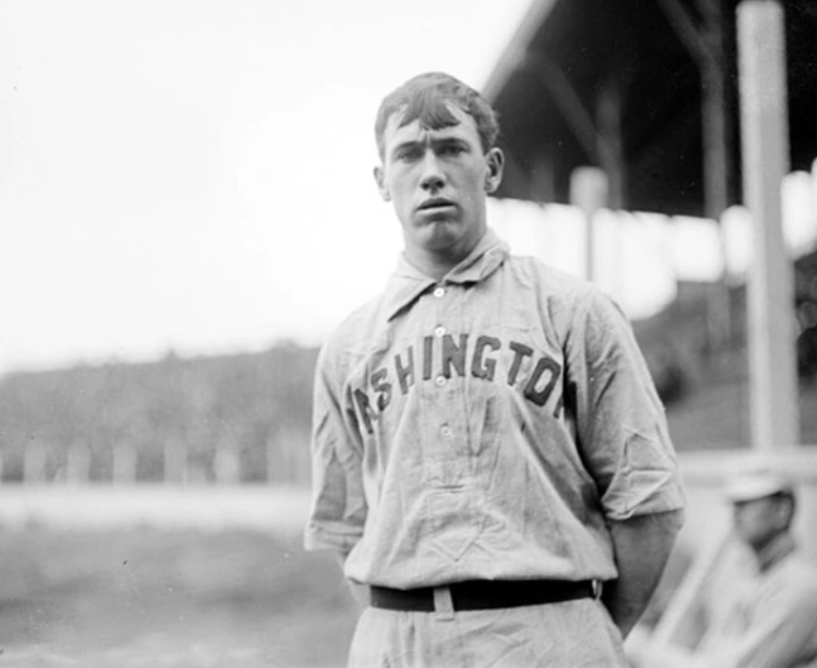
Joseph Phillip Cassidy was the youngest of six children born to Irish imports Patrick and Catherine (Murphy) Cassidy on February 8, 1883. Patrick was a section boss for a railroad company while Catherine raised a large family. Joseph took up the game while working as a moulder for the Seaboard Steel Castings Company playing on the open lots of his hometown of Chester, Pennsylvania. Among his teammates were future major leaguers Bris Lord and Rube Vinson. Noticed by Jesse Frysinger, Frysinger arranged for Cassidy to play for his local semi-professional club in 1902. He was signed by Harrisburg of the Tri-State League in 1903 and as 1904 began he received a contract to play for the Senators. He also drew interest from Connie Mack, who not only tried to get Cassidy from Harrisburg before the 1904 season, Mack tried to trade for him after then 1904 season.
Cassidy’s play at short was well received, as was his quickness. He had exceptional range and frequently ran down flies well into the outfield. Playing with flair captivated fans; his youth contributed to more than his share of errors – but he also had more chances (assists and putouts) than any other shortstop in 1905. His fielding percentage was in line with the league average both seasons.
And, while he wasn’t a very good hitter, he was exciting on the basepaths. In 1904, Cassidy had 32 extra-base hits, and 19 of those were triples. At the same time, he was a bit of a free swinger, fanning 160 times in his first two seasons. His sophomore season fell a little short of his rookie season – batting .215 with less power – but he was retained by Washington for the 1906 season for his defensive prowess, his potential, and his work ethic.
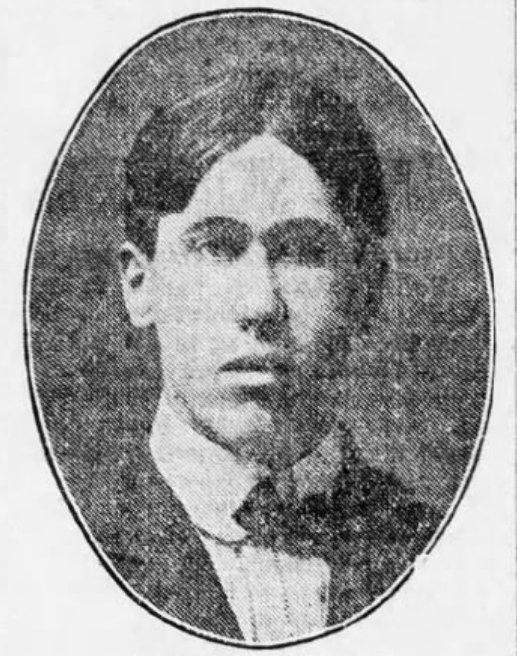
By the winter of 1905-06, Cassidy had followed his father into the railroad industry and had advanced to a track foreman. At the same time, he was studying at Villanova toward a business degree in the offseasons. Soon after the new year, however, Cassidy caught malaria. Seven weeks later, he suffered from purpura hemorrhages – severe blood clotting. Just 23 years old, Cassidy died March 25, 1906, leaving behind his parents and five other siblings. He is buried near family in Immaculate Heart of Mary Catholic Cemetery in Linwood, Pennsylvania.
Sources:
1870, 1880, 1900 US Census
Pennsylvania Death Certificates
“Session of Magnates,” Washington Post, December 05, 1904: 8.
“Sports of All Sorts,” Washington Evening Star, December 19, 1904: 9.
“‘Joe’ Cassidy is Dead,” Harrisburg Telegraph, March 26, 1906: 7.
“Joe Cassidy is Dead,” Washington Post, March 26, 1906: 6. (Also second image.)
Image Source:
https://baseball.fandom.com/wiki/Joe_Cassidy?file=Cassidy_joe.png
 Mighty Casey Baseball

Say, hello! Leave a comment!!!